
The Best Pastries in Le Marais: A Sweet Guide to Paris
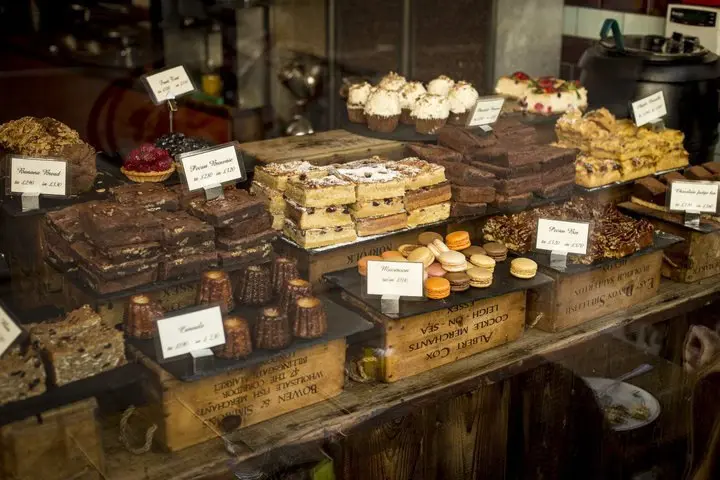
Paris has no shortage of bakeries, but few neighbourhoods pack as much sweetness into so small an area as Le Marais. Walk its narrow streets for an afternoon and you will pass patisseries that have been around for generations, alongside newer shops that have turned classic French pastry into something playful and creative. Whether you are planning your first trip to Paris or your tenth, the Marais is one of the best places in the city to eat your way through a morning. This guide covers the neighbourhood’s history, the shops worth visiting, and how to plan a visit that leaves room for a second helping.
A short history of Le Marais
The name Marais means marsh, and for centuries this low-lying area on the Right Bank was just that. Drainage and building work over the 1600s and 1700s turned it into one of the most fashionable districts in Paris. Aristocratic families built the grand mansions, known as hôtels particuliers, that still line its streets, many with hidden courtyards behind heavy doors. Place des Vosges, laid out in the early 1600s, is often described as the oldest planned square in the city and remains one of its most beautiful public spaces.
Over the centuries the neighbourhood also became the heart of Paris’s Jewish community. The Rue des Rosiers area is one of the best-known Jewish quarters in the city, and its bakeries, delicatessens, and restaurants reflect a tradition that has lasted for generations. Today the Marais mixes historic architecture, galleries, boutiques, and some of the most loved food shops in Paris. Walking between pastry stops lets you see the buildings and the food side by side.
Why the Marais is good for pastries
The Marais is compact. You can visit several shops in a single morning without crossing the city, and the walk between them is part of the pleasure. The neighbourhood also has a healthy mix of traditional and modern bakeries. Some have served the same recipes for well over a century, while others experiment with flavours from across the Mediterranean and the Middle East. That contrast is what makes a pastry walk here more interesting than a visit to a single shop.
Six pastry stops in Le Marais
These are the shops on our Le Marais pastry food tour. Opening hours, stock, and prices change, so check each shop before you go. The prices below are from late October 2026.
Aux Merveilleux de Fred, 24 rue du Pont Louis-Philippe. This shop is known for the merveilleux, a light meringue shell filled with whipped cream. The Saint-Paul branch sells smaller versions, and on our visit two of them came to €4.60 in total. The texture is airy rather than heavy, which makes it a good first taste because it is so unlike the dense cakes many visitors expect from a French patisserie.
Maison Aleph, 20 rue de la Verrerie. Maison Aleph blends French technique with flavours from Damascus and the wider Levant. Pistachio, rose, and orange blossom appear often in its creations, which makes it a useful contrast to the classic French sweets nearby. It is a good stop to slow down and pay attention to the flavours.
Pierre Hermé, 18 rue Sainte-Croix de la Bretonnerie. Pierre Hermé is one of the most celebrated names in Parisian pastry. Its macarons show how a traditional sweet can be reinvented with unusual flavour pairings. On our visit, macarons were €2.90 each, and they are a good example of why Paris pastry chefs are so closely followed around the world.
Dunes Blanches, 54 rue des Archives. Dunes Blanches is known for its chouquettes, small choux pastries topped with pearl sugar. They are simple, light, and popular with Parisians who stop by for a quick treat on the way home. This is a good shop to visit when you want something small and easy to eat while you keep walking.
À la Mère de Famille, 16 rue Rambuteau. This shop has been making confectionery since 1761, which makes it one of the oldest sweet shops in Paris. Its candies and chocolates are worth a look even if you are not hungry, and the historic interior is a pleasure in itself. Chocolate is sold by weight, so it is a good place to buy a few pieces to take home.
A warm crêpe to finish. Many visitors finish a pastry walk with a crêpe from a street stall. Classic fillings include butter and sugar, chocolate spread, and fresh fruit, and a crêpe is best eaten warm, straight from the pan. It is a relaxed way to close the walk and a good place to talk about the morning with your group.
Beyond the sweets
The Marais is also one of the best neighbourhoods in Paris for simply walking. Rue Vieille-du-Temple is lined with vintage shops, design boutiques, and galleries. The streets around Rue des Rosiers are known for their food, including long-running falafel and deli counters. Place des Vosges is a good place to sit after a few tastings, with its arcades, its garden, and its quiet atmosphere. If you enjoy museums, several historic mansions in the area now house collections open to visitors.
How to get the most out of a pastry walk
Eating several pastries in one morning is a different experience from visiting a single shop, and a little planning makes it more enjoyable. Pastry tastings are small, but they add up quickly, especially when each shop serves something rich. Pacing yourself helps you notice the differences between the shops rather than feeling overwhelmed by sugar by the third stop.
Start with the lightest pastries and finish with the richest. A meringue or a light choux pastry is a good opening, while macarons and chocolate-based sweets work better later in the walk. A warm crêpe at the end is a satisfying way to finish, but you may want to share it if you have a long afternoon planned.
Ask the people behind the counter questions. Shop staff are usually happy to explain how a pastry is made, which flavours are seasonal, and which item they would choose themselves. Even a few words in French, such as bonjour when you walk in and s’il vous plaît when you order, will make the exchange more pleasant and is appreciated by most shop owners.
Bring a bottle of water and a small bag. Paris can be warm in summer, and walking between shops means carrying treats for a while. Some visitors also like to take a few pastries back to their accommodation, but check whether the shop allows you to pack them to go and how well they will keep before you buy.
Take photographs if you like. Many of the shops have interiors that are worth seeing as well as the food itself, from carved wooden counters to old tiled walls. Taking a photo of a pastry before you eat it is part of the fun, and it gives you a reminder of what you tried.
Planning your visit
Getting there: The Saint-Paul metro station on Line 1 serves the central part of the neighbourhood. Several bus routes also run through the area, and most of the main shops are a short walk from one another.
Best time: Mornings are usually quieter, and the most popular items often sell out later in the day. Arriving early also gives you time to walk before the streets become busy.
Pace: Plan at least two to three hours for a relaxed visit, and more if you want to shop or stop for a long lunch.
Sundays and holidays: Many shops close or have shorter hours on Sundays and public holidays, and some close for part of the summer. Check opening times before you set out.
Book a guided pastry tour with us
If you would rather have someone show you around, our Le Marais pastry food tour takes you to six of these shops in 90 minutes. A local guide explains the history of the neighbourhood and the story behind each pastry between tastings. Groups are limited to eight guests, so there is time for questions, and every tour includes all six tastings.
Book the Le Marais pastry food tour here: https://www.sceniczest.com/tours/le-marais-pastry-food-tour-paris


